

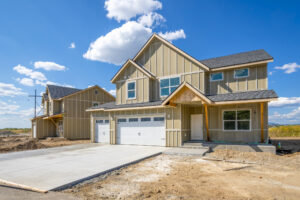
 Investing in single-family rental properties may suit investors who prefer fewer immediate repairs, but it is important to assess the full cost of entry. New construction frequently asks buyers to pay more initially, but it can offer benefits such as more customization options, improved energy efficiency, and reduced maintenance needs during the first years of ownership. In exchange, investors may encounter upgrade premiums and less flexibility when negotiating the base price. To keep the decision tied to performance, examine the pros and cons carefully to maximize your return on investment.
Why Consider New Construction for Your Rental Portfolio?
Purchasing new construction as a rental property may be a strong fit for a portfolio that prioritizes newer homes and limited initial rehabilitation. Modern layouts and recently installed systems can strengthen the home’s appeal and support its rental positioning. When the finished home needs little additional capital before leasing, out-of-pocket expenses are typically minimal before the first tenant moves in.
The absence of a large renovation phase can allow a newly completed property to reach the rental market sooner. The property can be positioned around convenience and modern living through included upgrades and smart home features. When modern convenience is part of the leasing pitch, smart thermostats and security systems can add convenience that resonates with renters who expect newer technology.
Top Benefits of Energy-Efficient, Smart Homes for Renters
The first-occupant experience can be an effective leasing point for a property that is competing with older rental inventory. Attracting quality tenants is key to rental success. Newer materials and systems can reduce energy demand and contribute to lower utility bills and greater environmental sustainability. Efficient equipment and building components can contribute to comfort, satisfaction, and a stronger likelihood of renewal.
These operational and marketing advantages can make new construction an appealing choice for rental property investors. That does not remove construction risk; the quality of materials and workmanship can differ significantly among builders.
When construction quality falls short, the owner may need to document defects, pursue the builder, and budget for unresolved items. Upgrade flexibility can be useful, although the price of optional finishes can make the final deal less attractive.
Is New Construction the Right Investment for You in Today’s Market?
Investors seeking a bargain basis should recognize that builder pricing can be less negotiable than existing-home pricing. Builders usually set asking prices around land, labor, materials, development costs, and current market conditions, which can leave less room to bargain than in a resale transaction.
Published prices are often defended because each completed sale becomes part of the market evidence for the remaining homes. Instead of assuming the terms are fixed, it is wise to inquire about current incentives, closing cost assistance, or upgrades that may be available.
Before purchasing a new home as a rental property, weigh the pros and cons carefully. Ground the decision in the local rental market, projected tenant demand, together with the property characteristics that can influence both lease-up speed and tenant retention. With disciplined underwriting and a clear tenant strategy, new construction can deliver strong long-term returns.
Accurate local information can help investors judge whether the expected rent and tenant profile are realistic. For investors comparing properties in Winchester, Real Property Management Elevation can help frame the decision around local renter demand. We perform market assessments for all potential rental properties, ensuring owners who partner with us have the tools and information they need to make the best investment decisions. To learn more about investment-property market analysis, contact us online.
This content is provided for general informational and educational purposes only and does not constitute financial, legal, tax, or investment advice. Readers should consult with licensed professionals regarding their specific circumstances.
We are pledged to the letter and spirit of U.S. policy for the achievement of equal housing opportunity throughout the Nation. See Equal Housing Opportunity Statement for more information.
